


Can Cataract Surgery Affect the Retina? What to Know About Post-Op Retinal Risks
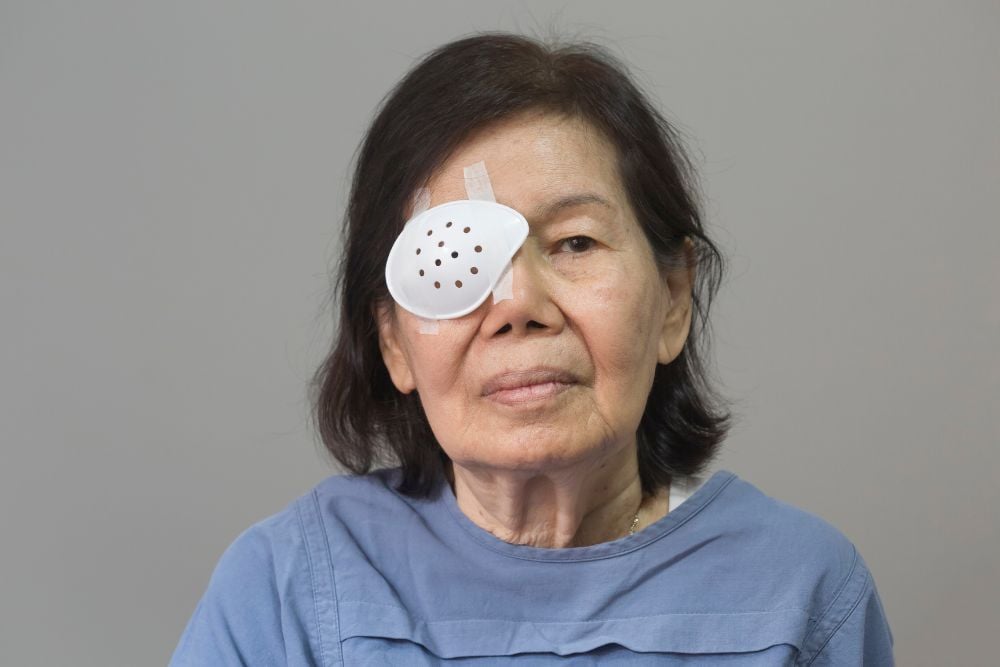
Cataract surgery is among the most common and successful procedures worldwide. However, like any surgical intervention, it carries certain risks — not just involving the lens but also extending to the retina, the light-sensitive layer at the back of the eye that plays a critical role in our vision. Therefore, before cataract surgery, it's important to discuss potential risks with your eye doctor and establish a plan for regular consultations with a retina specialist afterward.
Cataract Surgery and the Retina
During cataract surgery, the clouded natural lens of the eye is removed and replaced with a clear artificial lens. Although the retina is not directly involved in this procedure, the surgery can affect the vitreous, the clear gel that fills the back of the eye. The vitreous can pull on the retina, potentially causing a tear that may lead to retinal detachment. This detachment can develop months or even years after the cataract surgery.
Additionally, the inflammation that typically follows cataract surgery can lead to fluid leakage into the macula, the part of the retina responsible for sharp and detailed central vision. This swelling, known as macular edema, may result in blurry or distorted central vision. These conditions can be treated, but they require prompt intervention and regular monitoring by a retina specialist.
Signs to Watch for Post-Op
After cataract surgery, it’s important to pay attention to any symptoms that may indicate a retinal issue, such as:
- Sudden flashes of light that appear as bright streaks or bursts, similar to lightning.
- A sudden increase in floaters, which may look like dark specks, dots, or cobweb-like shapes drifting in your vision.
- The appearance of a dark shadow or curtain moving across your field of vision.
- Hazy, wavy, or blurry vision that worsens.
The Importance of Ongoing Retinal Care
As we age, our bodies, including our eyes, can undergo unexpected changes. While it’s important to monitor cataracts, even after surgery, it's also essential to see a retina specialist regularly. This helps prevent vision loss from conditions such as age-related macular degeneration (AMD) and diabetic retinopathy.
Like cataracts, retinal conditions can develop over time, but their symptoms can be more challenging to detect. Often, signs of retinal disease go unnoticed until the condition has progressed. Therefore, prioritizing regular eye check-ups with a retina specialist is key to preserving your vision and overall eye health as you age.
At Vitreoretinal Consultants of NY, our specialists care for patients with all retinal issues, including retinal detachment and complications from cataract surgery. With several locations in Nassau County, Suffolk County, Westchester County, Queens, and Rockland County, we provide care to patients across the greater New York area. Schedule a consultation today.