
Signs of Vision Problems in Children: What Parents and Teachers May Notice
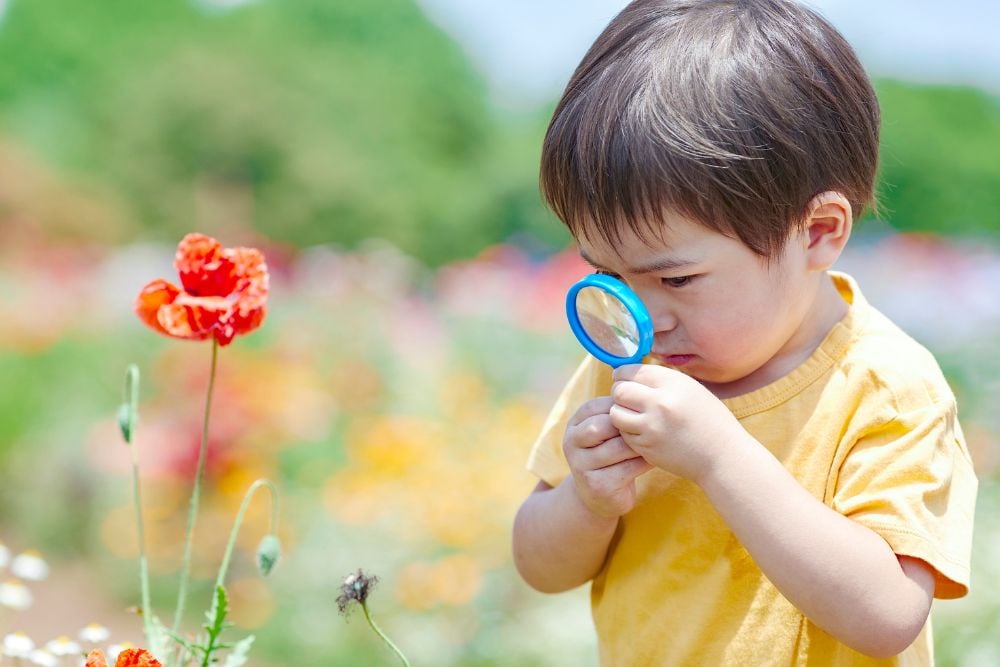
Parents and teachers play a critical role in children's well-being, including watching for signs of vision problems. Children may not always recognize changes in their vision, especially if they occur gradually. Additionally, they may lack the vocabulary to express what they're experiencing or assume that everyone perceives the world as they do. Recognizing retinal conditions in children and understanding their symptoms is crucial for early detection and improved vision outcomes.
Understanding Childhood Retinal Conditions
Various retinal conditions can affect a child’s vision, including:
- Stargardt disease: An inherited juvenile macular degeneration that affects the macula, the center of the retina responsible for central vision.
- Coats disease: In this disease, retinal blood vessels break and leak into the retinal area, causing swelling and potentially leading to retinal detachment, glaucoma, and atrophy.
- Juvenile Retinoschisis: A genetic, X-linked trait where the layers of the retina split apart.
- Familial exudative vitreoretinopathy (FEVR): A rare inherited condition causing poor blood vessel development on the outer edges of the retina
- Retinoblastoma: A rare type of eye cancer that most commonly affects children but can also occur in adults.
- Retinitis pigmentosa (RP): A group of inherited genetic eye disorders that cause the light-sensitive cells in the retina to slowly break down.
Physical and Behavioral Signs to Watch For
Several physical signs may indicate a vision problem, including squinting, covering or closing one eye, unusual eye movements, sensitivity to light, and frequent eye rubbing. Beyond physical signs, there are behavioral clues that might imply a child is struggling with their vision, such as:
- Frequently bumping into objects
- Struggling to navigate in dim light
- Sitting unusually close to screens or classroom materials
- Losing their place while reading
- Difficulty recognizing people or objects at a distance
- Avoiding activities that rely heavily on vision
When to Schedule an Evaluation
While many of the above symptoms and behaviors can occur in children without an eye condition, you should pay attention to the frequency and intensity of these signs. Look for persistent changes, new developments, or behaviors that are noticeably different from the child's usual patterns. If these signs are interfering with their ability to participate in school, play, or everyday activities, it's time to seek a professional evaluation.
Certain situations warrant more immediate attention, such as an eye injury, sudden changes in vision or behavior, concerning findings during a routine vision screening, or a family history of inherited eye diseases. A pediatric retina specialist can evaluate the retina when symptoms, screening results, or another eye care provider suggest a retinal condition may be involved.
The Importance of Early Detection
Early detection of retinal conditions in children is essential because their visual system develops rapidly during the first few years of life. Identifying issues early enables timely treatment, which can help prevent permanent blindness, support proper brain development, and preserve vision for a lifetime. Parents and teachers should be vigilant for signs of vision problems and communicate any concerns to a healthcare professional.
At Vitreoretinal Consultants of NY, our team of world-class retina specialists is dedicated to diagnosing and treating a wide range of retinal conditions in both children and adults. We proudly serve patients in Elmhurst, Flushing, Great Neck, Hauppauge, Scarsdale, Riverhead, Rockville Centre, Shirley, Westbury, and New City. Contact us today for more information or to schedule an appointment.