


From Diagnosis to Treatment: A Patient’s Retina Journey
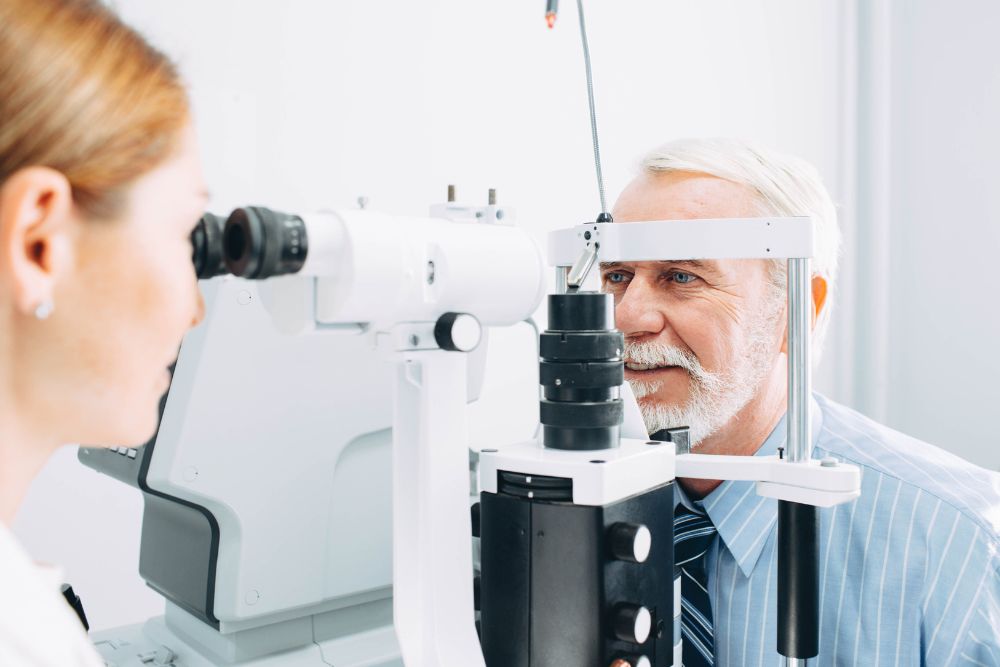
Maintaining retinal health can be both challenging and rewarding. From the initial diagnosis to the development of personalized treatment plans, each step is crucial for preserving vision and improving quality of life. Gaining a clear understanding of this process can empower you to take control of your eye health journey and protect your sight for years to come.
Diagnosing Retinal Conditions
Many patients initially see their general ophthalmologist if they have questions or concerns about their vision. Depending on the doctor’s assessment, they may recommend seeing a retina specialist. Retina specialists receive additional training to effectively diagnose and treat conditions that specifically impact the retina, the light-sensitive layer at the back of the eye responsible for central vision. A retina specialist utilizes various diagnostic tools to identify retinal issues. These tools include:
- Optical coherence tomography (OCT): This non-invasive imaging test provides high-resolution cross-sectional images of the retina, allowing specialists to assess its structure in detail and identify any abnormalities or signs of disease.
- Fundus photography: This technique captures detailed images of the back of the eye, including the retina, optic disc, and blood vessels, helping to document the current state of eye health and detect any changes over time.
- Angiography: This diagnostic test is used in some situations to evaluate blood flow in the retina. It helps retina specialists detect leakage, swelling, blocked blood vessels, or abnormal blood vessel growth.
Personalized Treatment Plans
Once a retinal condition is diagnosed, the next step is to tailor a treatment plan that meets the individual's unique needs, as conditions can vary widely in severity and nature. For example, someone diagnosed with wet macular degeneration may be recommended for anti-VEGF injections, while those with dry macular degeneration might benefit from dietary changes and monitoring.
Patients are encouraged to ask questions and engage in discussions with their healthcare teams about their treatment options. Understanding the rationale behind a treatment plan can provide not only clarity but also empowerment in managing one’s health.
Long-Term Monitoring and Follow-Up
Long-term monitoring and regular follow-up appointments are essential to evaluate the effectiveness of the prescribed treatment and make necessary adjustments. It’s also important for patients to remain proactive about their eye health. By staying vigilant about symptoms and adhering to follow-up appointments, patients can play an active role in their care and well-being.
No matter where you are on your retina journey, Vitreoretinal Consultants of NY’s experienced retina specialists are committed to protecting and preserving your vision. We proudly serve patients in Elmhurst, Flushing, Great Neck, Hauppauge, Scarsdale, Riverhead, Rockville Centre, Shirley, New City, and Westbury, NY. Contact us today for more information or to schedule an appointment.