

Vision Is for a Lifetime: The Importance of Detecting Retinal Diseases Early
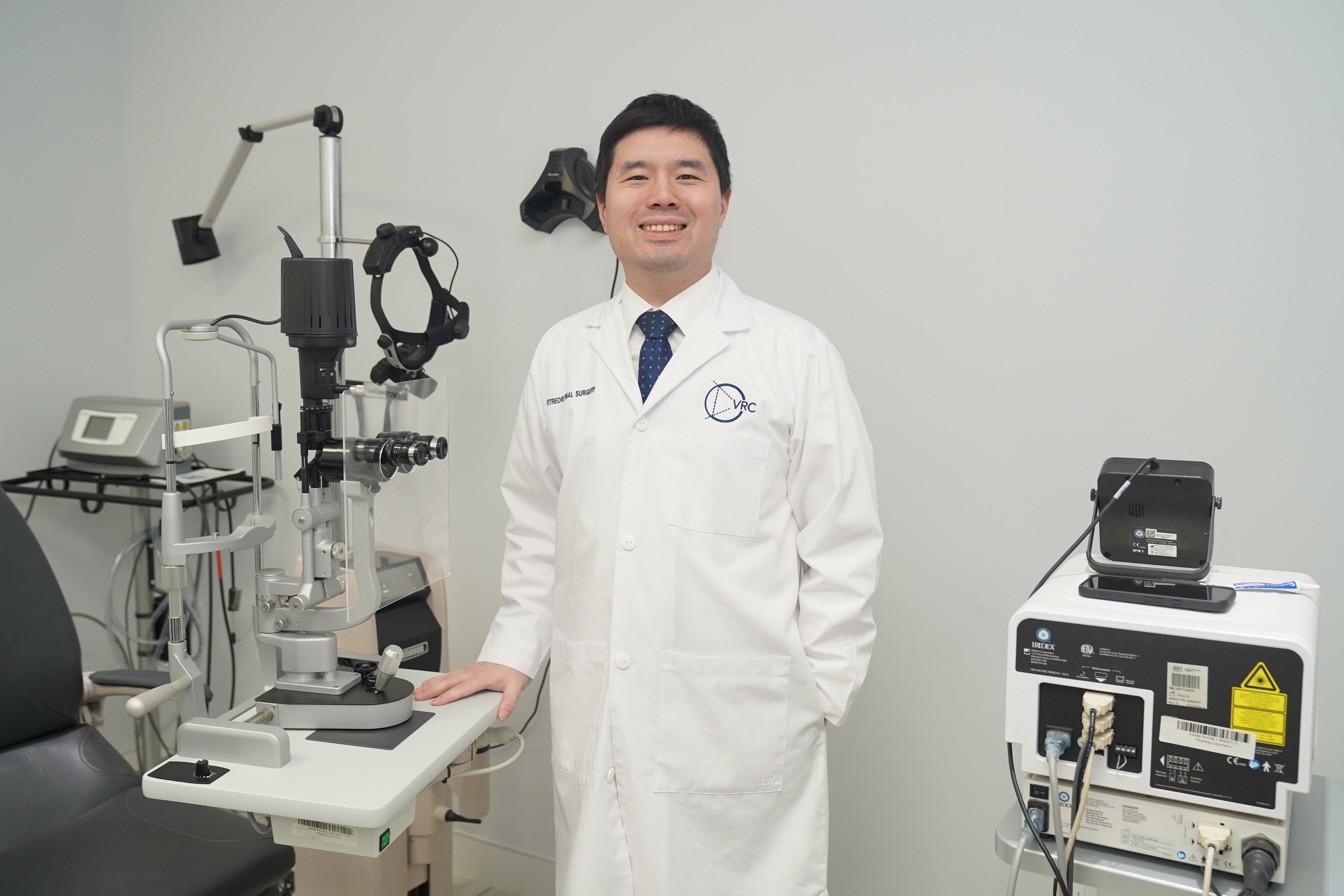
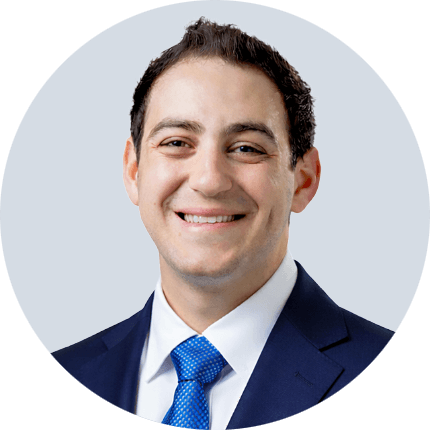
Vitreoretinal Consultants of New York’s Dr. Albert Li recently spoke with the Queens edition of El Especialito, a Spanish-language weekly serving Hispanic communities throughout the New York area. In the interview, Dr. Li discusses the importance of recognizing changes in your vision, common retinal diseases, advances in treatment, and the value of seeking specialized care early.
Read the English translation of the interview below.
Vision Is for a Lifetime: The Importance of Detecting Retinal Diseases Early
As the years go by, many people begin to believe that losing vision or experiencing blurry eyesight is simply a normal part of aging. However, this misconception can cause many retinal diseases to go unnoticed until the damage becomes difficult to reverse. Dr. Albert Li, a retina specialist at Vitreoretinal Consultants of New York, hopes to change that perception. As the son of immigrants and proud to care for patients in English, Spanish, and Chinese, Dr. Li spoke with El Especialito about the importance of protecting eye health, recognizing warning signs, and seeking medical attention early to safeguard one of our most valuable senses: sight.
Q: Can you tell us a little about your professional background and what inspired you to specialize in the treatment of macular diseases?
Answer: I grew up in New York and developed a passion for science at a young age. During my studies, I had the opportunity to participate in research projects at Harvard University, an experience that further strengthened my interest in medicine. At the same time, I wanted to apply that knowledge in a way that would directly help people. It was during my ophthalmology training that I discovered the fascinating world of the retina and realized how closely eye health reflects the overall health of the body. Today, I feel fortunate to have returned to New York to care for the communities where I grew up and to communicate with many of my patients in English, Spanish, and Chinese.
Q: What are the most common macular conditions you treat, and what symptoms should patients never ignore?
Answer: I specialize in diseases of the retina and vitreous, including diabetic retinopathy, age-related macular degeneration, retinal detachments, macular holes, and other conditions that can seriously affect vision. If someone begins to notice a sudden increase in floaters, flashes of light, a shadow covering part of their vision, or sudden changes in eyesight, they should seek immediate evaluation by a retina specialist. Early diagnosis can make a significant difference.
Q: What advances in technology or treatments are making the biggest difference for patients today?
Answer: In recent years, we have seen tremendous advances. Today, we offer in-office injection treatments for conditions such as macular degeneration and diabetic retinopathy. We also participate in clinical trials that provide some patients with access to promising new therapies. On the surgical side, we utilize minimally invasive microsurgical techniques and state-of-the-art technology that allow for greater precision and faster recovery.
Q: Many members of our Hispanic community tend to delay eye care. What advice would you give them about protecting their vision and knowing when to see a specialist?
Answer: As the son of immigrants, I understand that many people face barriers such as language and limited access to medical care. That is why I make every effort to care for my patients in their own language and help them receive the treatment they need.
My biggest piece of advice is simple: don't wait. Blurred vision or vision loss should never be considered a normal part of aging. Seeking medical attention early can help prevent permanent damage and preserve your quality of life.
I also recommend checking the vision in one eye at a time by covering the other. Often, a healthy eye compensates for one with a problem, making it difficult to notice changes. If you experience distorted or wavy lines, blurred images, or decreased vision in one eye, it is important to schedule a retinal examination as soon as possible.
Q: What message would you like our readers to remember about your practice and the importance of maintaining good eye health?
Answer: At Vitreoretinal Consultants of New York, we have been providing specialized retinal care to New Yorkers for more than four decades. Our team is made up of physicians and healthcare professionals who are committed to serving a community as diverse as ours.
My message to readers is simple: early detection can make all the difference. Taking care of your vision, having regular eye examinations, and seeking specialized care as soon as symptoms appear are the best ways to preserve your eyesight for a lifetime.